
Real Estate Video Marketing: Strategies, Types, and Success Tips
Property listings with video generate significantly more interest than those without, making video marketing essential for real estate success in today’s competitive market. Real estate video marketing combines property showcases, virtual tours, client testimonials, and neighborhood highlights to attract buyers and sellers while establishing your authority as an agent. The numbers speak for themselves: 73% of homeowners prefer working with agents who use video, yet only 10% of realtors take advantage of this powerful tool.
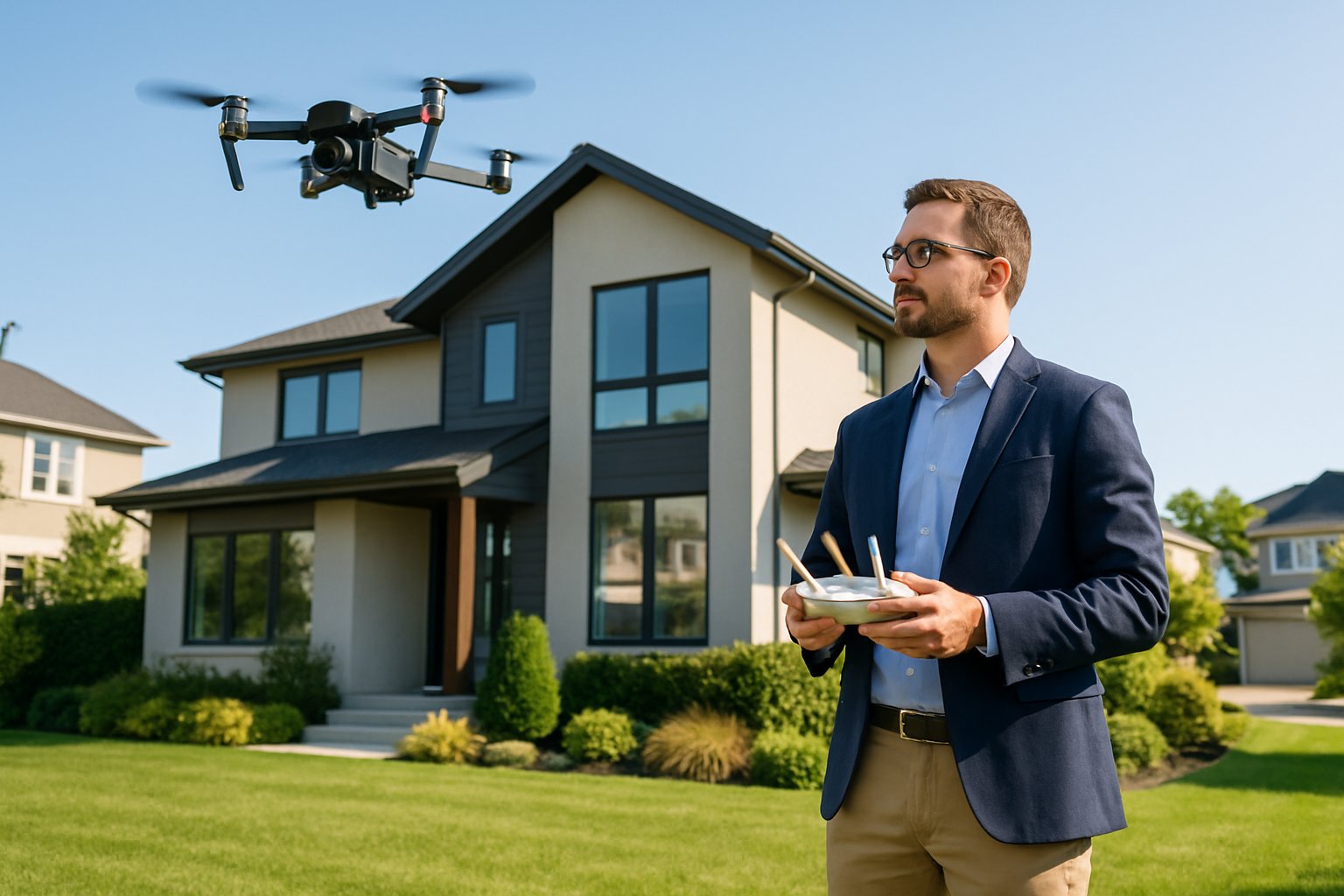
Whether you’re filming property tours with your smartphone or investing in professional drone footage, video content works throughout your entire sales funnel. From generating organic search traffic at the top to converting serious buyers at the bottom, video provides the immersive experience that static photos simply cannot match.
This guide walks you through everything you need to know about real estate video marketing, from choosing the right video types to shooting techniques, editing strategies, and promotional tactics that drive real results. You’ll discover practical approaches that fit your budget and skill level while learning how to measure your return on investment.
Key Takeaways
- Video marketing generates more property inquiries and helps you attract both buyers and sellers who prefer agents using this medium
- You can create effective real estate videos yourself with basic equipment or work with professionals depending on your budget and goals
- Success requires combining different video types, optimizing for multiple platforms, and tracking performance metrics to refine your strategy
Why Real Estate Video Marketing Matters
Video content delivers measurable results for property marketing while meeting modern buyer expectations. Agents who use video generate more inquiries, build stronger brand recognition, and stand out in competitive markets.
Impact on Sales and Inquiries
Real estate listings with video receive 403% more inquiries than those without. This dramatic difference translates directly into more qualified leads for your business.
Property listings enhanced with video marketing generate higher engagement at every stage of the sales funnel. When you embed videos on listing pages, you’ll see exponentially more organic search results compared to pages without video content. Videos work as the final nudge that convinces buyers to make a call or schedule a showing.
The statistics reveal why video marketing is essential for real estate success. More eyes on your listings means more opportunities to close deals. Video showcases properties in far greater detail than static images, giving potential buyers the immersive experience they need to make informed decisions.
Consumer Expectations in 2025
The real estate market in 2025 is digital-first. Most buyers begin their home search online and prefer to experience properties through video before scheduling in-person showings.
Many homebuyers report finding their dream home after watching an online video tour. Your potential clients browse dozens of property listings before ever setting foot in a home. Without video content, your listings risk being overlooked in favor of competitors who provide visual walkthroughs.
73% of homeowners say they’re more likely to list with a realtor that uses video. This preference extends to both buyers and sellers. Yet only about 10% of real estate agents currently take advantage of video marketing strategies, creating a significant opportunity gap.
Brand Awareness and Differentiation
Video builds trust and connection in ways traditional listings cannot. When you create consistent video content, you establish yourself as a knowledgeable professional who invests in quality presentation.
Real estate videos serve multiple purposes beyond property tours:
- Agent introduction videos that showcase your personality and approach
- Testimonial content featuring satisfied clients
- Neighborhood highlight reels demonstrating local expertise
- Educational content answering common buyer and seller questions
These varied video types position you as more than just another agent showing homes. You become a trusted advisor and local market expert. Video marketing helps real estate agents show up in search engines and social media feeds, expanding your reach beyond traditional real estate photography.
Creative video production differentiates your brand in crowded markets. When sellers see how you present properties through professional or well-crafted DIY videos, they gain confidence that their home will be showcased effectively.
Key Types of Real Estate Videos
Different video formats serve specific marketing purposes in real estate. Property tours provide comprehensive walkthroughs, listing videos highlight key selling points quickly, and agent introductions build personal connections with potential clients.
Property Tours and Walkthroughs
Property tours take viewers through a complete home experience, moving from room to room in a logical flow. These videos typically run 2-3 minutes and showcase how spaces connect to each other. You should start with exterior shots before moving inside, mirroring how an actual visitor would approach the property.
Traditional walkthrough videos work best when they include practical details like closet space, utility rooms, and architectural features that buyers care about. Smooth camera movements and consistent lighting help viewers understand the layout naturally. You can also create 360-degree or virtual reality tours that let buyers control their own viewing experience.
These interactive formats keep viewers engaged 5-10 times longer than standard videos because they can explore exactly what interests them. For out-of-town buyers or investors who cannot visit in person, property tours become essential decision-making tools.
Listing Videos
Listing videos condense a property’s best features into shorter, attention-grabbing content. These highlight reels typically last 30-60 seconds and use fast-paced editing with music to create immediate impact. Listings with videos receive 403% more inquiries than those with only static images.
You should focus on standout features rather than showing every room. Key elements to highlight include:
- Upgraded kitchens with premium appliances
- Luxury bathrooms with modern fixtures
- Outdoor living spaces like patios or pools
- Unique architectural details that set the property apart
Real estate listing videos work exceptionally well on social media platforms where attention spans are limited. You can also create vertical videos for mobile-first platforms like Instagram Reels and TikTok, typically running 15-60 seconds. These formats reach younger buyers and generate higher engagement through quick cuts and on-screen text overlays.
Agent Introductions
Agent introduction videos establish your expertise and personality before potential clients meet you in person. These videos typically run 60-90 seconds and should communicate your market knowledge, approach to service, and what makes you different from competitors.
You can film these as standalone pieces or incorporate them into property walkthroughs. Real estate agent videos that combine personal introductions with property tours serve double duty by marketing both the listing and your services. When you appear on camera during a walkthrough, you demonstrate your knowledge while helping viewers gauge room sizes.
Keep your tone conversational and authentic. Mention specific neighborhood expertise, recent sales achievements, or unique services you provide. Agent-led walkthroughs build buyer confidence by showing thorough knowledge about materials, recent upgrades, and local developments.
Client Testimonials and Social Proof
Video testimonials from satisfied clients serve as powerful trust signals that influence potential buyers and sellers before they ever contact you. These authentic endorsements capture emotion and credibility in ways written reviews cannot match.
Client Testimonial Videos
Client testimonial videos allow prospects to meet you through the words of your past clients before the first conversation takes place. When potential clients research agents online, they want reassurance about who will guide them through a high-stakes transaction.
A smartphone with decent lighting and minimal background noise is sufficient equipment to capture authentic testimonials. Keep recordings under two minutes and let clients speak naturally rather than from a script. Ask someone to help with filming so you can focus on the conversation itself.
Place these videos prominently on your website homepage, testimonials page, and listing pages. Social media platforms like Facebook, Instagram, and LinkedIn prioritize video content, giving your posts greater reach. You can also incorporate testimonials into email marketing campaigns by sharing clips in newsletters or including links in follow-up messages to new leads.
Video Testimonials
Video testimonials capture facial expressions, tone of voice, and personality that written reviews cannot convey. This format delivers what psychologists call social proof—when people see others having positive experiences, they become more likely to take similar action.
Always obtain written consent before publishing client videos. A simple release form confirming the client approves their testimonial for marketing purposes protects both parties. Review any specific figures or private details mentioned to ensure clients are comfortable with public disclosure.
You don’t need expensive production equipment. Free editing tools like CapCut or iMovie allow you to trim footage, add subtitles, and overlay music easily. A small investment in a microphone or ring light can improve quality, but natural settings with heartfelt messages often prove more effective than studio productions.
Personal Stories
Encourage clients to tell stories rather than recite praise. Ask what made them nervous before contacting you, what happened during the process, and how they felt at the end. A buyer explaining “We were first-home buyers and had no idea what we were doing, but our agent walked us through every step with patience” creates immediate connection with prospects facing similar situations.
These narratives work because they let potential clients see themselves in past transactions. Personal stories provide authenticity that generic promotional content lacks. When combined with property tours and listing content, testimonials prove that behind polished marketing sits a professional who delivers real results for real people.
Showcasing Neighborhoods and Communities

Properties don’t exist in isolation, and buyers increasingly want to understand the lifestyle and surroundings that come with a home. Showcasing the vibrancy and amenities of a neighborhood often becomes the decisive factor for potential buyers, especially those relocating to unfamiliar areas.
Neighborhood Highlights
You should focus on capturing the distinctive character that makes each community unique. Film local parks, walking trails, community centers, and recreational facilities during active times when you can show real people enjoying these spaces. Include seasonal events, farmers markets, or festivals that demonstrate community engagement.
Your property listings gain significant value when you pair them with footage of nearby schools, shopping districts, and cultural attractions. Film during different times of day to show morning commutes, lunch crowds at popular restaurants, and evening streetscapes. This gives potential buyers a realistic sense of daily life in the area.
Key elements to capture:
- Local landmarks and architectural features
- Community gathering spaces
- Seasonal characteristics of the neighborhood
- Street views showing walkability and traffic patterns
Local Amenities Video Tours
Create dedicated videos that take viewers on tours of essential services and conveniences within the community. Film the interiors of popular coffee shops, gyms, grocery stores, and healthcare facilities with permission from business owners. Show actual distances and travel times from the property to these locations.
Highlighting local attractions and conveniences helps create emotional connections that drive engagement and faster sales. Include footage of public transportation options, major highways, and alternative commute routes. Document the proximity to airports, downtown areas, or employment centers that matter to your target buyers.
Essential amenities to feature:
- Grocery stores and shopping centers
- Restaurants and entertainment venues
- Medical facilities and urgent care
- Fitness centers and wellness facilities
- Libraries and educational institutions
Creative Real Estate Video Ideas
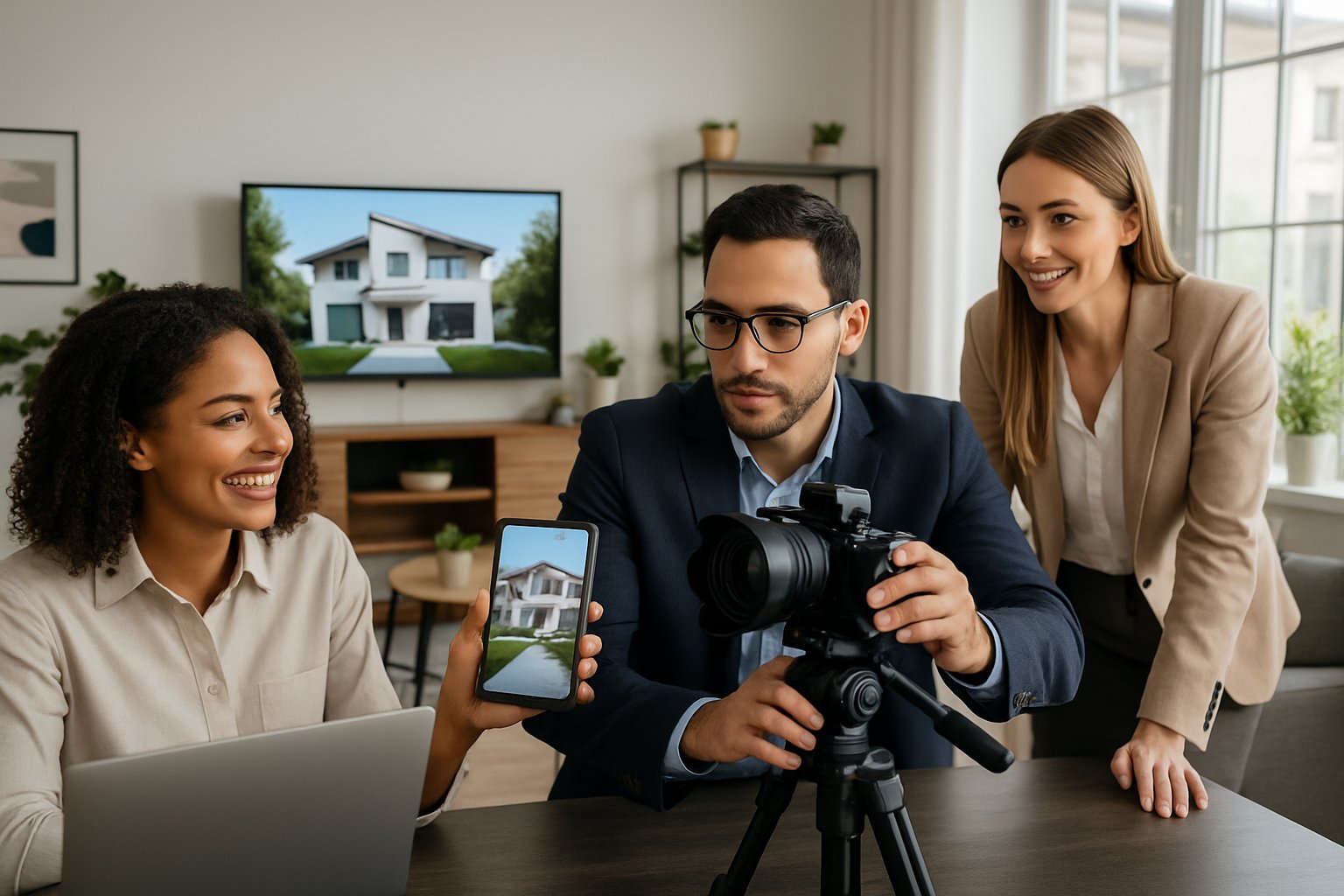
Strategic video content helps you connect with buyers and sellers while showcasing your expertise in ways that static photos cannot achieve. Timing your videos around seasons and market shifts creates relevance that resonates with your audience.
Seasonal and Event Videos
Seasonal content keeps your real estate videos fresh and timely throughout the year. You can film holiday home preparation guides that show sellers how to stage properties during festive seasons while avoiding clutter that distracts buyers.
Create neighborhood event coverage of farmers markets, summer festivals, or winter celebrations to demonstrate community vibrancy. These videos help potential buyers visualize the lifestyle they would enjoy beyond the property itself.
Seasonal video themes to consider:
- Spring cleaning and curb appeal tips
- Summer outdoor living space highlights
- Fall home maintenance checklists
- Winter energy efficiency features
You can also produce decorating tutorials that show how simple staging changes work for different seasons. Film quick tours of properties that look particularly attractive during specific times of year, such as homes with spectacular fall foliage or winter holiday lighting.
Market Update Videos
Monthly or quarterly market analysis videos position you as the local expert who understands trends and pricing dynamics. Share specific statistics like median sale prices, average days on market, and inventory levels in your area.
Break down what rising or falling interest rates mean for buyers and sellers in practical terms. You can explain how current conditions create opportunities or challenges without using complicated jargon that confuses your audience.
Compare different neighborhoods within your market to help viewers understand value differences. Include visual aids like charts or graphs that make data easier to digest in video format.
Address common questions you hear from clients about market conditions. These real estate video ideas demonstrate your knowledge while providing genuine value to people researching their options.
Behind-the-Scenes
Showing your day-to-day work builds trust by revealing the effort you invest in every transaction. Film yourself preparing listings for photography, coordinating with stagers, or reviewing inspection reports with clients.
Document the listing preparation process from initial walkthrough to final photos. You can capture staging transformations, photographer setup, or how you write compelling property descriptions.
Behind-the-scenes content opportunities:
- Negotiation strategy discussions
- Team collaboration meetings
- Open house preparation
- Client consultation sessions
Share snippets of your continuing education or professional development activities. These videos humanize you as an agent while proving you stay current with industry changes and best practices.
Shooting High-Quality Real Estate Videos
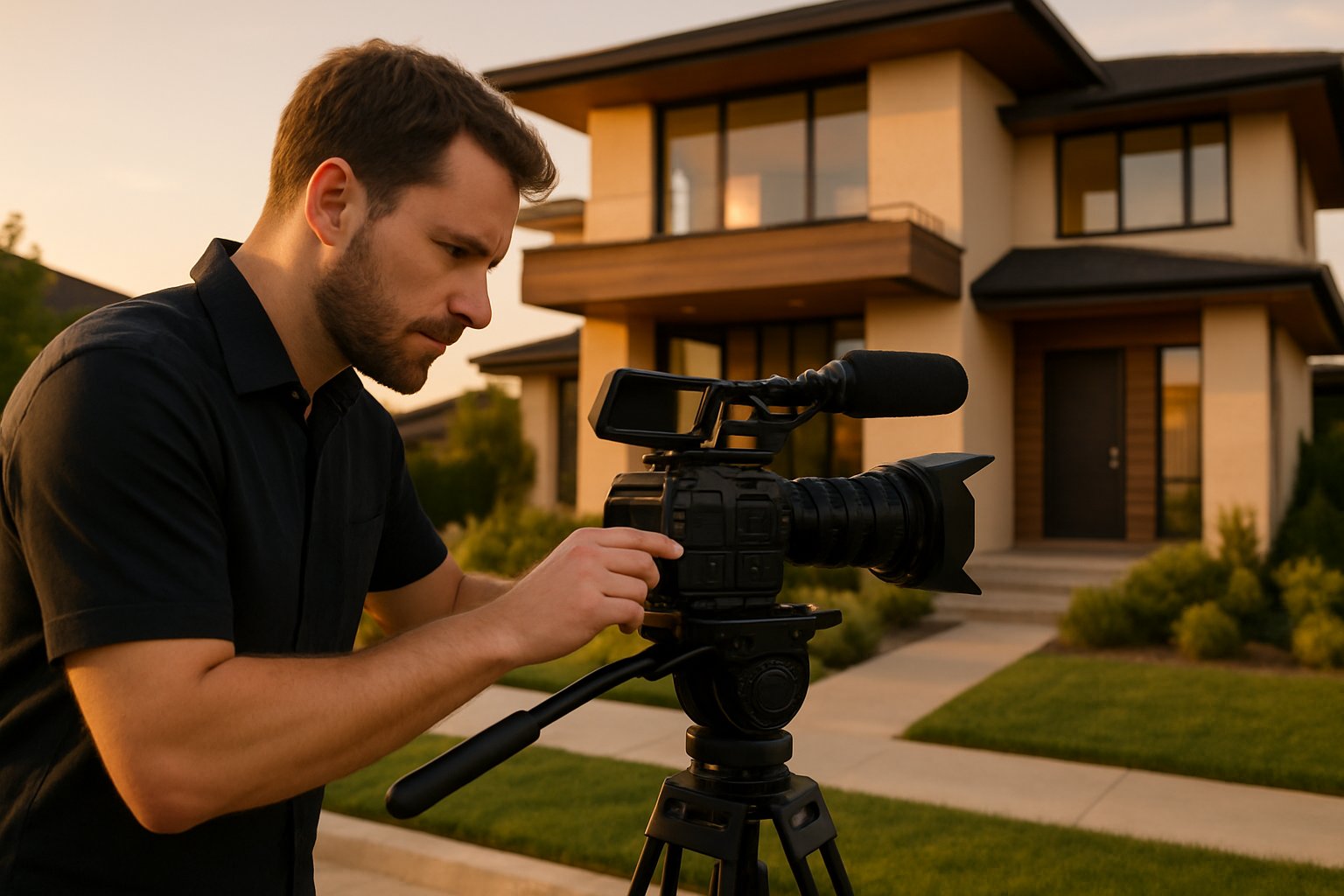
Professional equipment and proper lighting techniques form the foundation of compelling property videos, while aerial drone shots provide perspective that ground-level filming cannot match.
Camera Equipment and Lighting
You need reliable camera gear to produce videos that attract serious buyers. A DSLR or mirrorless camera like the Sony A7 IV or Canon EOS R6 delivers 4K resolution that showcases property details with clarity. If budget constraints exist, newer smartphones such as the iPhone 15 Pro can capture surprisingly professional footage when paired with stabilization tools.
Wide-angle lenses between 16-35mm are essential for capturing spacious interiors and expansive exteriors without distortion. You should avoid ultra-wide lenses below 14mm as they create unnatural warping that makes rooms look bizarre.
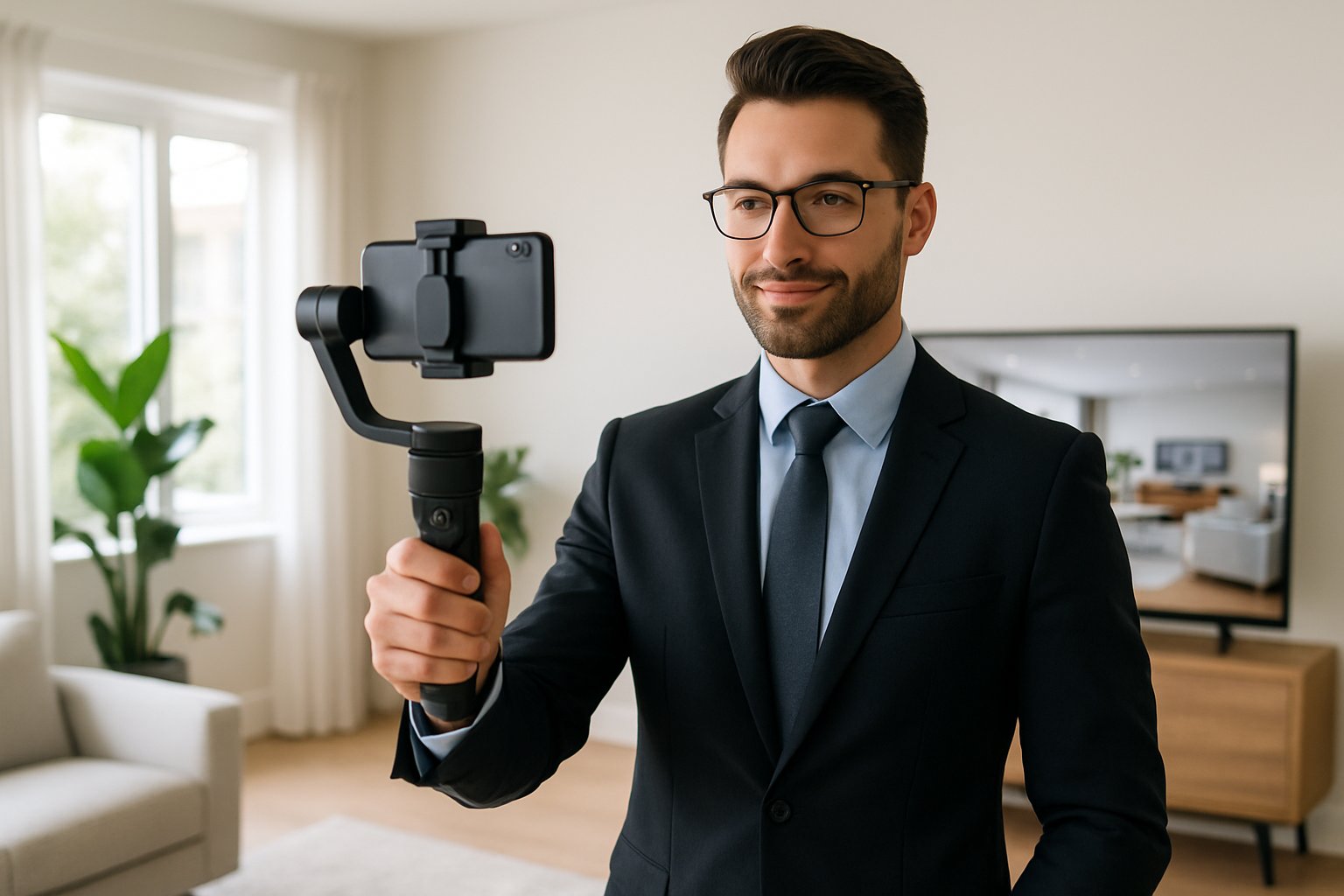
Gimbals like the DJI Ronin-SC or Zhiyun Weebill 3 eliminate shaky footage during walkthroughs. These stabilizers cost between $300-$500 and provide the smooth motion that separates amateur videos from professional work.
Lighting determines whether your footage looks flat or dimensional. Shoot exteriors during golden hour for soft natural light. For interiors, combine LED panels set to 5000K with existing window light to avoid harsh shadows and ensure even exposure throughout each room.
Using Drone Footage
Aerial perspectives give viewers context about property location, lot size, and surrounding amenities that ground shots cannot convey. The DJI Mavic 3 Pro captures 5.1K aerial footage that showcases commercial properties and large estates with cinematic impact.
You must comply with FAA regulations when operating drones for creating real estate videos. Fly at altitudes between 50-100 feet to maintain safety while capturing sweeping shots of parking areas, rooftops, and neighborhood context. Focus on slow, deliberate movements rather than rapid panning that disorients viewers.
Drone footage works particularly well for properties with unique features like waterfront access, mountain views, or proximity to parks and schools. Start your video with an establishing aerial shot, then transition to ground-level interior footage to guide viewers through the complete property experience.
Editing and Enhancing Your Videos
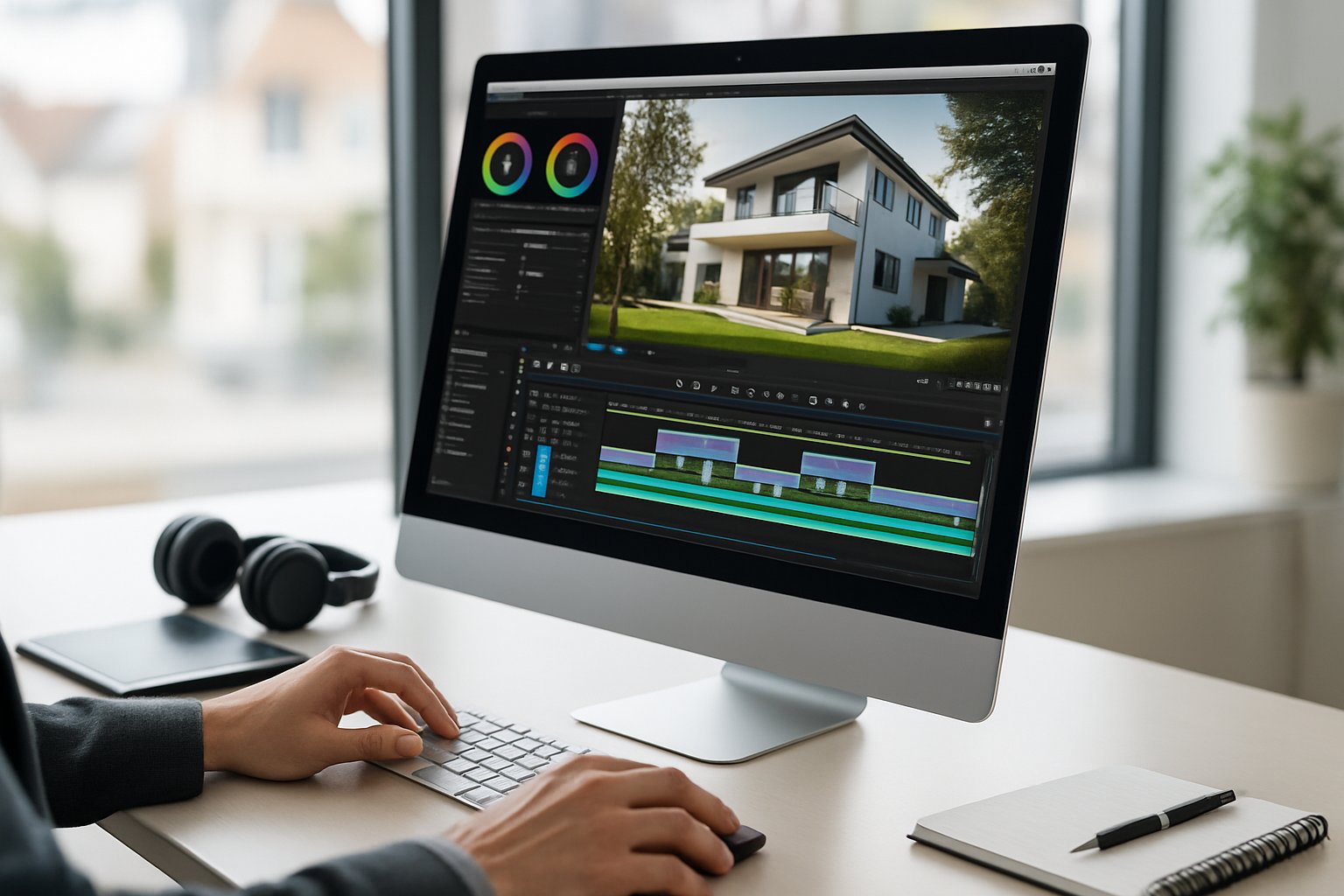
Professional editing transforms raw footage into compelling marketing content that captures buyer attention and showcases properties effectively. The right software and creative elements like music and branding create polished videos that establish your professional credibility.
Editing Tools and Software
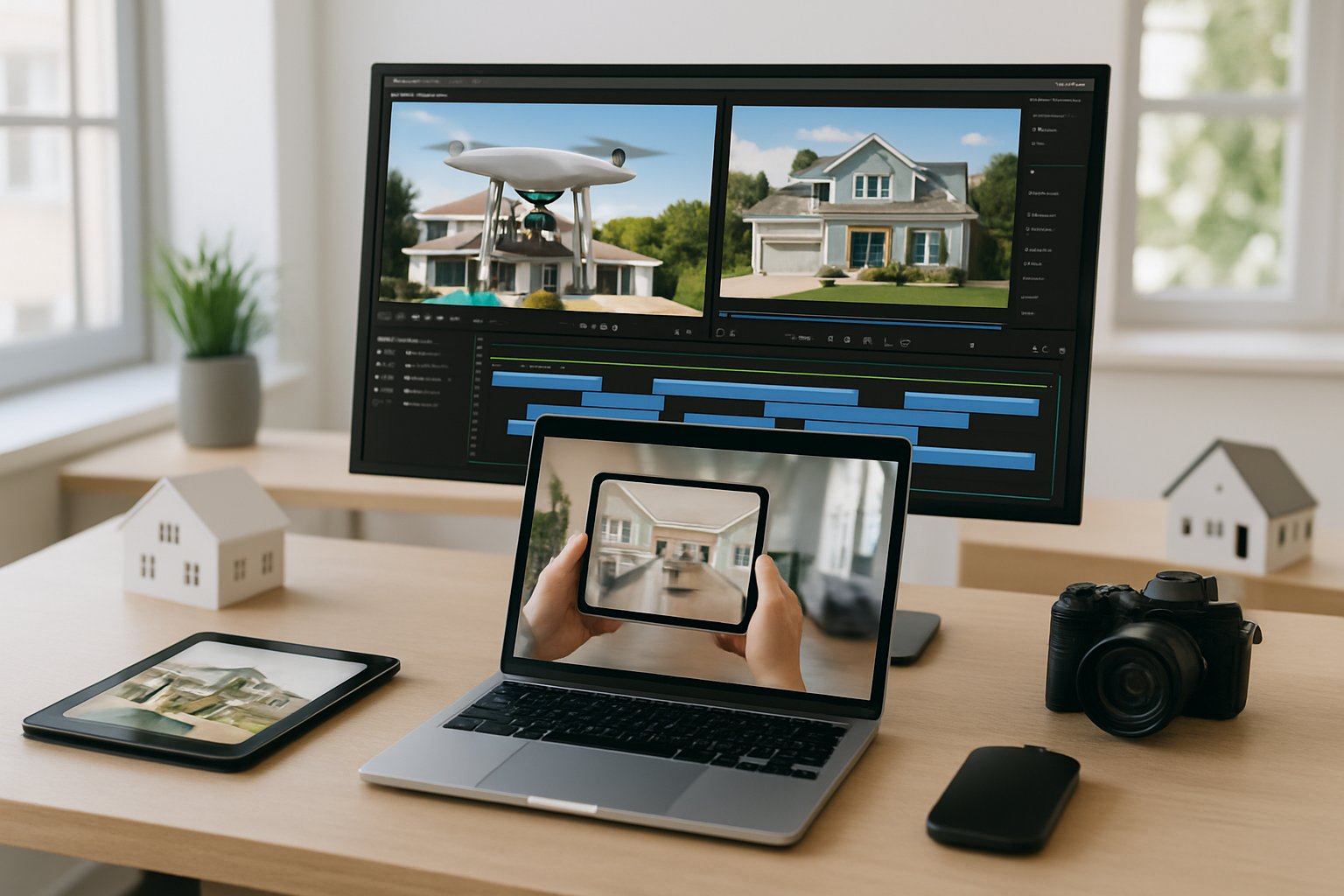
Selecting the right editing platform depends on your skill level and budget. Adobe Premiere Pro offers advanced features for professional real estate video makers, including color correction, multi-track editing, and stabilization tools. Final Cut Pro provides similar capabilities for Mac users with an intuitive interface.
DaVinci Resolve delivers professional-grade editing at no cost, making it ideal if you’re just starting with creating real estate videos. The software includes color grading tools that enhance property lighting and create consistent visual quality across your footage.
For beginners, iMovie and CapCut offer simplified editing interfaces with templates designed specifically for property tours. These platforms include basic transitions, text overlays, and trimming functions without overwhelming new users. Mobile apps like InShot and Adobe Premiere Rush enable quick edits directly from your smartphone when you need faster turnaround times.
Professional real estate video editing requires attention to pacing, typically maintaining 3-5 second clips per room to keep viewer engagement high. Most successful property videos run between 90 seconds and 3 minutes, balancing comprehensive coverage with viewer attention spans.
Adding Music and Branding
Background music sets the emotional tone for your property videos. Choose instrumental tracks that complement the property style—upbeat music for modern condos, softer melodies for luxury estates. Ensure you use royalty-free music from platforms like Epidemic Sound, Artlist, or YouTube Audio Library to avoid copyright issues.
Volume levels matter significantly. Your music should sit at 10-20% of the original volume, providing atmosphere without overpowering property details or narration. Apply fade-in and fade-out effects at the beginning and end to create smooth audio transitions.
Consistent branding elements build recognition across your video content. Add your logo in a corner position where it remains visible but doesn’t distract from the property. Include your contact information, website, and professional headshot in end cards that display for 5-7 seconds.
Color grading creates visual consistency that reinforces your brand identity. Develop a signature look by adjusting highlights, shadows, and saturation levels similarly across all videos. Custom lower-third graphics displaying property addresses, square footage, and pricing maintain professional presentation while providing essential information to potential buyers.
Publishing and Promoting Videos
Strategic distribution across multiple platforms and careful optimization of video metadata determines whether your real estate marketing videos reach potential buyers. Paid promotion amplifies high-performing content while proper titles and descriptions improve discoverability.
Social Media Distribution
Facebook and Instagram remain essential platforms for real estate video marketing because they allow direct engagement with local audiences. You should post property tours and listing videos to your business page, then share them in local community groups where potential buyers actively search for homes. Instagram Reels and Stories work well for short-form content like quick property highlights or neighborhood features.
YouTube serves as a long-term search engine for your properties. Create a dedicated channel organized by playlists such as “Luxury Homes,” “First-Time Buyer Properties,” or specific neighborhoods. LinkedIn helps you connect with relocating professionals and investors who value market insights and commercial properties.
Post your videos during peak engagement times, typically weekday mornings between 8-10 AM and evenings around 7-9 PM. Each platform requires different video formats, so export vertical videos (9:16) for Instagram Stories and Reels, square videos (1:1) for Instagram feed posts, and horizontal videos (16:9) for YouTube and Facebook.
Video Ads Strategy
Organic reach only takes you so far. You need video ads to target specific buyer demographics based on income, location, age, and interests. Facebook and Instagram ads let you retarget people who visited your website or engaged with previous content, keeping your listings in front of serious buyers.
Start with a small budget of $10-20 per day to test different real estate marketing videos. Boost your top-performing organic posts rather than creating ads from scratch, since proven engagement indicates content that resonates. Target users within a 25-mile radius of the property, adjusting based on whether you’re marketing urban condos or rural estates.
YouTube pre-roll ads work well for reaching people actively searching real estate content. Google Ads allows keyword targeting, so your video appears when someone searches “homes for sale in [your area].” Track metrics like view rate, click-through rate, and cost per lead to identify which video ads deliver actual buyer inquiries.
Optimizing Titles and Descriptions
Your video title should include the property address, key features, and price range within the first 60 characters. Instead of “Beautiful Home Tour,” write “4BR Colonial with Pool | 123 Oak Street | $750K.” This specificity helps buyers find exactly what they want.
Write descriptions that include relevant keywords naturally. List the property’s standout features in the first two lines: square footage, bedrooms, bathrooms, lot size, and recent upgrades. Add neighborhood details, school districts, and commute times to major employers.
Use specific keywords in your video metadata to improve search visibility across platforms. Include hashtags like #RealEstate, #HomesForSale, your city name, and property type. YouTube allows up to 500 characters in descriptions, so include your contact information, website link, and related property links at the bottom.
Measuring Success and ROI
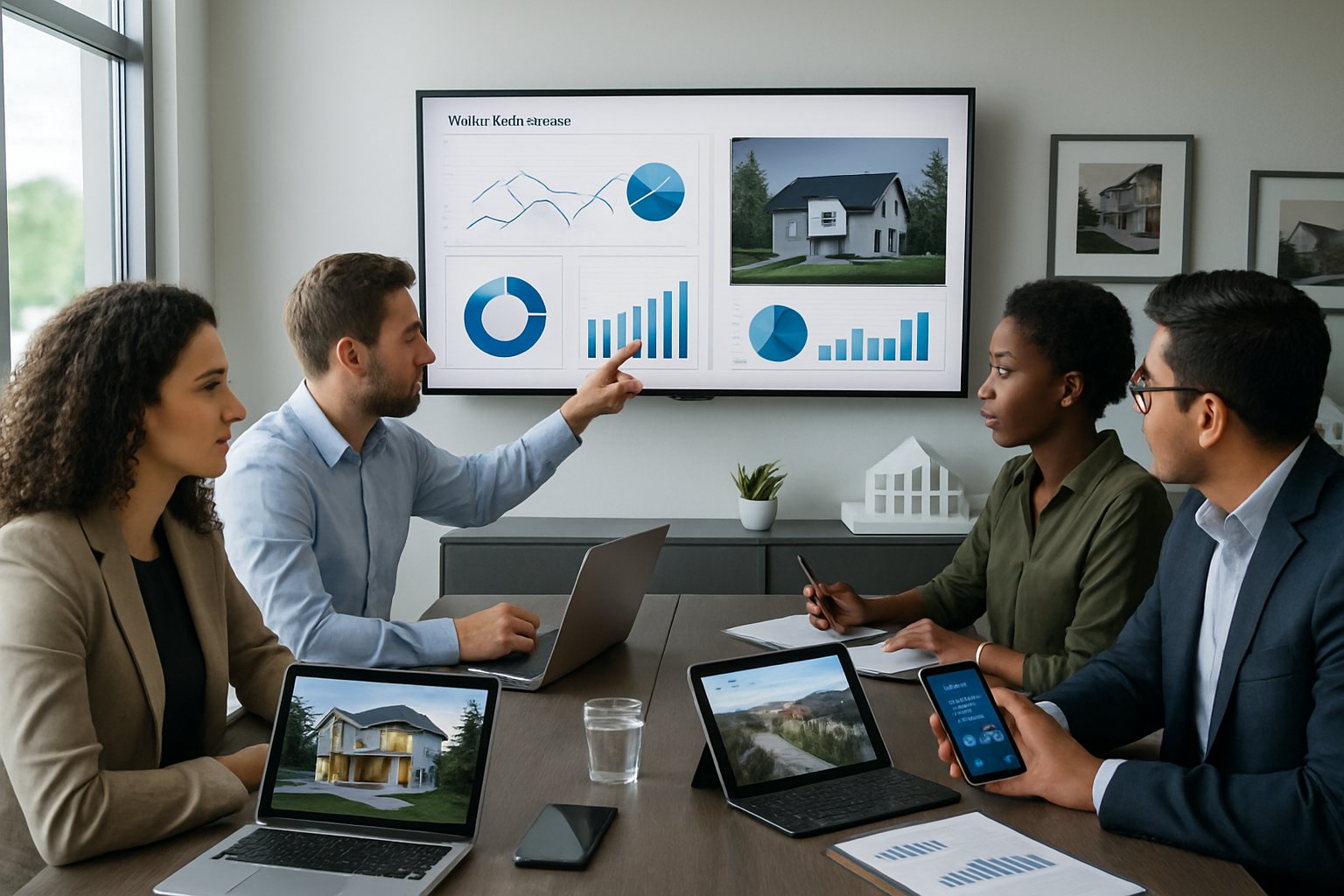
Understanding which metrics drive results helps you refine your video strategy and justify marketing investments. Tracking both engagement data and lead generation reveals how videos contribute to closed deals.
Video Engagement Metrics
View count provides a starting point, but watch time reveals true interest levels. If viewers drop off within the first 15 seconds, your opening needs improvement. Aim for completion rates above 50% on property tours and 70% on shorter social media clips.
Click-through rate (CTR) measures how many viewers take action after watching. A CTR above 2% indicates compelling calls-to-action and relevant content. Track shares and comments to gauge how real estate marketing videos resonate with your audience.
Platform-specific metrics matter differently. YouTube prioritizes watch time for recommendations, while Instagram values saves and shares. Facebook measures three-second views versus full completions. Monitor these variations to optimize content for each channel where you distribute videos.
Tracking Leads and Conversions
According to the National Association of Realtors, listings with video receive 403% more inquiries than those without. Real estate agents should connect video views directly to lead sources using UTM parameters and CRM tagging.
Key conversion metrics to monitor:
- Form submissions from video landing pages
- Phone calls attributed to video campaigns
- Email inquiries mentioning specific properties
- Scheduled showing requests
Calculate ROI using this formula: subtract production and promotion costs from revenue generated by video-driven leads, then divide by total costs. Understanding lead conversion rates and cost per lead helps you allocate budget across campaigns. Track which video types generate qualified leads versus casual browsers to focus resources on high-performing formats.
Future Trends in Real Estate Video Marketing
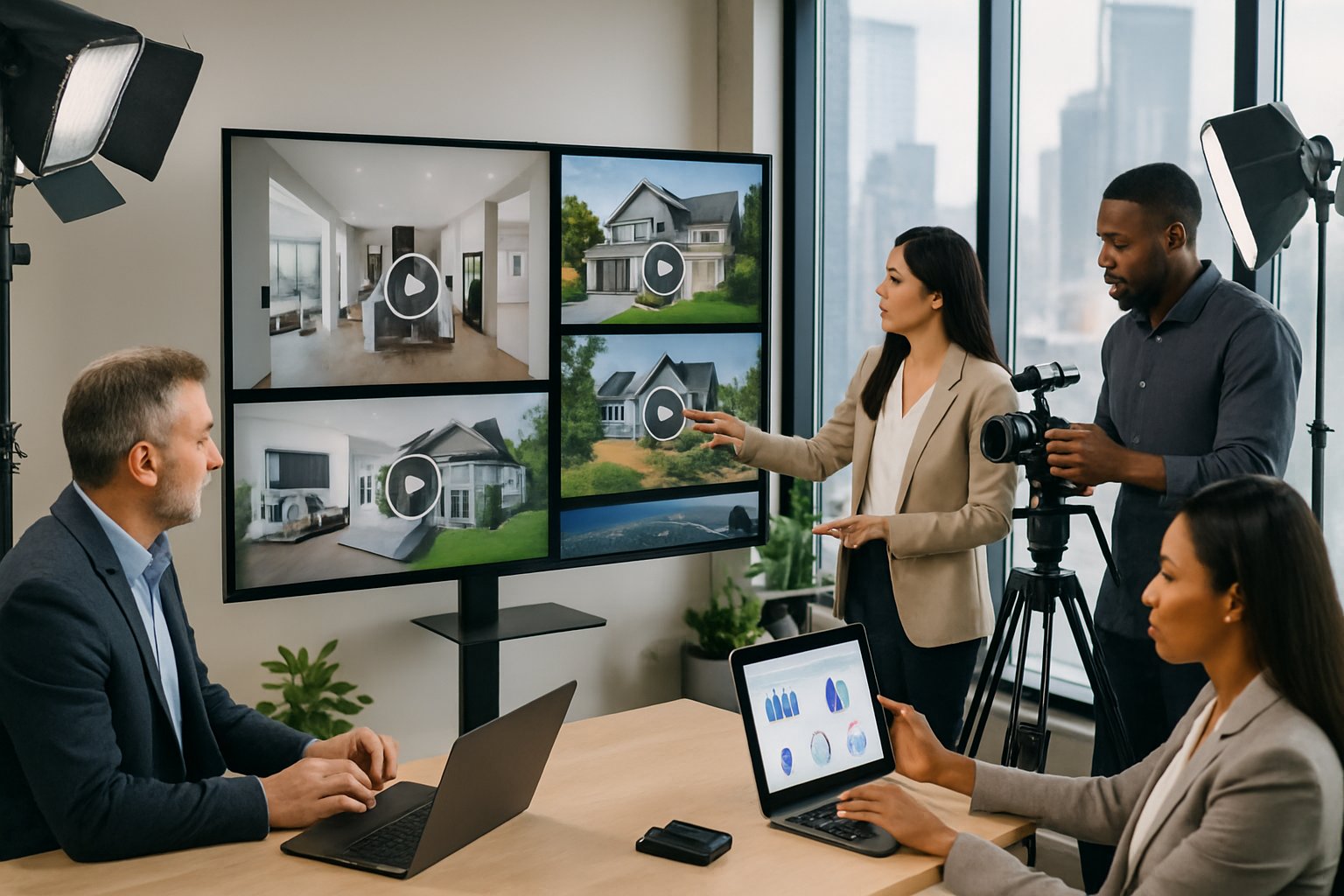
The landscape of property marketing is shifting toward AI-powered production tools and bite-sized content formats that capture buyer attention instantly. These developments are reshaping how you create and distribute property showcases.
Adoption of New Technologies
AI-powered video creation platforms are transforming how you produce real estate content. These tools enable you to generate professional property tours without extensive technical expertise or expensive equipment. You can now create immersive virtual experiences that allow potential buyers to explore properties remotely.
AI and data-driven insights help you enhance lead targeting and content strategy. The technology analyzes buyer behavior patterns to personalize video presentations based on specific preferences. You can generate multiple video variations that highlight different property features for different audience segments.
Virtual staging technology lets you showcase empty spaces with digitally placed furniture and decor. This approach reduces costs compared to traditional staging while giving buyers a clear vision of a property’s potential. You can present the same space in multiple design styles to appeal to diverse tastes.
Short-Form Video Content
Short-form video content dominates real estate marketing strategies heading into 2025. Platforms like Instagram Reels and TikTok have trained buyers to consume information in quick, engaging bursts. You need to capture attention within the first three seconds or risk losing potential clients.
These condensed formats work particularly well for highlighting key property features or neighborhood amenities. You can create quick virtual tour snippets that showcase the most attractive rooms or outdoor spaces. The format encourages higher engagement rates and broader social media distribution than longer videos.
Benefits of short-form content:
- Increased reach: Algorithms favor brief, engaging videos
- Higher completion rates: Viewers watch entire videos more consistently
- Mobile optimization: Vertical formats suit smartphone viewing habits
- Cost efficiency: Shorter production times reduce overall expenses
You should maintain quality while adapting to these condensed formats. Focus each video on a single compelling feature rather than attempting comprehensive property tours.