
How AI Real Estate Videos Transform Property Marketing
Property marketing has transformed with artificial intelligence enabling real estate professionals to create professional video tours without filming equipment or technical expertise. AI real estate video generators convert still property photos into cinematic tours within 24 hours, with properties featuring video content receiving 403% more inquiries than photo-only listings. These tools use machine learning to add motion, transitions, and effects that turn standard images into engaging marketing materials.
The technology addresses a critical gap in real estate marketing where 58% of viewers expect video tours on every property listing. Traditional video production requires coordinating photographers, videographers, and editors at significant cost and time investment. AI-powered solutions eliminate these barriers by automating the entire process from photo upload to final rendered video.
Real estate agents, property managers, and vacation rental hosts now access tools that generate videos from photos in minutes rather than days. The shift enables smaller agencies and individual agents to compete with larger firms in visual marketing quality. Understanding how these platforms work and which features deliver the best results helps you maximize your marketing budget while reaching more potential buyers and renters.
Key Takeaways
- AI video generators transform property photos into professional marketing videos automatically without filming or editing skills
- Properties marketed with AI-generated videos receive significantly more views, inquiries, and qualified leads compared to photo-only listings
- Leading platforms offer customization options including music selection, voiceovers, and branding while delivering completed videos within 24-48 hours
What Are AI Real Estate Videos?
AI real estate videos use artificial intelligence to transform property photos into professional marketing content without traditional filming or editing. These tools automate the video creation process, allowing you to produce property tours and listings in minutes rather than days.
Definition and Key Concepts
AI real estate videos are marketing videos created from still photos using artificial intelligence technology. You upload your property images, and the AI automatically generates motion, transitions, and visual effects to create a cohesive video presentation. The technology analyzes your photos and applies cinematic movements, zoom effects, and smooth transitions between shots.
Most platforms let you add music, text overlays, and branding elements like your logo and contact information. You can generate videos with just image input, or combine photos with text descriptions to create more detailed property showcases. The entire process typically takes between 60 seconds and 24 hours depending on the platform.
These tools require no video editing skills or technical knowledge. You simply arrange your photos in your preferred order and let the AI handle the production work.
Comparison With Traditional Real Estate Videos
Traditional real estate videos require you to hire videographers, schedule filming sessions, and wait for professional editing. This process usually costs hundreds to thousands of dollars per property and takes several days to complete.
AI-powered property videos eliminate these barriers by automating the entire production process. You can create multiple videos per day at a fraction of traditional costs, often under $50 per month for unlimited videos. The turnaround time drops from days to minutes.
Traditional videos offer higher production value with custom camera work and professional cinematography. AI videos sacrifice some creative control but gain scalability and speed. You can publish listing videos the same day your property goes live, rather than waiting for production schedules.
Evolution of AI in Real Estate Marketing
AI video tools emerged as real estate professionals needed faster, more affordable ways to meet increasing demand for video content. Research shows that 85% of buyers prefer video when learning about listings, and properties with video receive 157% more organic traffic.
Early AI solutions offered basic slideshow functionality with limited customization. Modern platforms now provide drag-and-drop photo ordering, automated motion effects, and multi-format exports for different social media platforms. You can create square videos for Facebook, vertical formats for Instagram Reels and TikTok, and horizontal versions for your website.
The technology continues advancing toward auto-voiceovers, predictive content generation based on buyer behavior, and integration with virtual tour platforms. These developments make professional video marketing accessible to solo agents and small teams without dedicated media budgets.
How AI Video Generators Work in Real Estate
AI video generators for real estate transform static property photos and text into dynamic marketing videos through automated processing. These platforms handle everything from scene transitions to visual effects without requiring manual editing skills.
Technology Behind AI Video Generators
AI video generators rely on machine learning algorithms and computer vision to process real estate content. The technology analyzes input images to understand spatial relationships, depth, and architectural features within properties.
Neural networks trained on thousands of property videos enable these tools to generate realistic camera movements and transitions. The AI identifies key elements like rooms, furniture, and exterior features to create smooth panning shots and zoom effects.
Advanced systems use generative AI to add cinematic elements such as lighting adjustments, color grading, and motion effects. The algorithms can create parallax depth effects that make flat images appear three-dimensional. Some platforms incorporate text-to-video capabilities that convert property descriptions into visual sequences with appropriate pacing and scene selection.
Input Options: Photos, Descriptions, and Templates
You can upload property photos to generate videos with minimal additional input required. Most platforms accept standard image formats from smartphones or professional cameras.
Text descriptions serve as another input method where you provide property details, features, and selling points. The AI interprets this information to select appropriate visual styles, transitions, and pacing for your listing.
Pre-built templates offer structured frameworks for different property types:
- Single-family homes – residential layouts with neighborhood context
- Condominiums – urban settings with amenity highlights
- Commercial properties – professional presentation styles
- Luxury estates – cinematic treatments with premium effects
You can also input existing video footage that the AI enhances with effects, music, and professional editing touches.
Automation and Efficiency in Video Production
AI-powered real estate video production eliminates traditional filming and editing timelines. You can generate completed videos in minutes rather than days or weeks.
The automation handles technical tasks like frame rate optimization, aspect ratio formatting for different platforms, and audio synchronization. You avoid the need for expensive equipment, production crews, or specialized video editing software.
These tools automatically format videos for social media platforms, creating vertical versions for Instagram Stories and horizontal formats for YouTube. The AI selects music tracks, adjusts timing to match transitions, and adds text overlays with property information. This democratizes professional video marketing for agents at any budget level.
The Benefits of AI-Generated Real Estate Videos
AI-generated videos transform how you present properties by accelerating production timelines, increasing buyer engagement through dynamic visual content, and reducing marketing costs while enabling unlimited scaling across multiple listings.
Accelerating Content Creation for Listings
AI video generators eliminate traditional production bottlenecks that slow down your marketing efforts. You can upload property photos and generate professional videos in under 60 seconds, allowing you to publish content the same day your listing goes live.
This speed advantage matters when competing for buyer attention in fast-moving markets. Instead of waiting days or weeks for video editors to deliver finished content, you create multiple videos per day without technical expertise.
The automation handles transitions, motion effects, and timing automatically. You simply organize your photos, add property details and branding elements, then export finished videos ready for MLS platforms, social media, and email campaigns. This efficiency lets you maintain consistent video output across all your real estate listings without expanding your production team.
Enhancing Engagement and Buyer Experience
Listings with video receive 400% more engagement compared to photo-only presentations. AI-generated videos transform static images into dynamic visual narratives that hold viewer attention longer and communicate spatial relationships more effectively.
Video tours created through AI platforms showcase room flow and property features in ways that individual photos cannot achieve. Buyers gain a better sense of the space without visiting in person, which pre-qualifies interested parties and reduces unnecessary showings.
You can generate multiple video formats from one photo set—square videos for Facebook, vertical content for Instagram Reels and TikTok, and horizontal versions for YouTube and your website. This multi-platform approach extends your reach to buyers across different channels where they actively search for properties.
Cost Savings and Scalability
Traditional video production requires hiring videographers, editors, and motion graphics specialists for each project. AI video generation eliminates these recurring expenses while maintaining professional quality standards.
You create unlimited videos under a single subscription cost, typically under $50 monthly. This pricing structure works particularly well for real estate professionals managing multiple properties simultaneously or brokerages serving numerous agents.
The scalability advantage becomes clear when you need to produce dozens of listing videos per week. You maintain brand consistency across all content by using saved templates with your logo, colors, and contact information. Your marketing output increases without proportional cost increases, improving your return on investment while reaching more potential buyers.
Types of AI Real Estate Videos

AI technology generates multiple video formats designed for different stages of the property marketing process. Each type serves specific purposes, from comprehensive walkthroughs to quick promotional clips that capture buyer attention.
AI-Driven Video Tours
AI-driven video tours transform static property photos into dynamic walkthroughs that simulate an in-person viewing experience. These AI-generated property showcases combine multiple images into seamless transitions between rooms, creating cohesive narratives that guide viewers through the entire property.
You can generate these tours by uploading your listing photos to an AI platform that automatically sequences them, adds smooth transitions, and incorporates cinematic elements like panning and zooming. The technology analyzes spatial relationships between images to create logical flow from entryway to living spaces to bedrooms.
Many AI video tools for real estate now include features like automated voiceovers that describe room dimensions and features as the tour progresses. You can customize these narrations to emphasize specific selling points relevant to your target buyers, whether they prioritize square footage, natural lighting, or premium finishes.
Virtual Staging and Renovation Videos
Virtual staging videos use AI to furnish empty properties or demonstrate renovation potential without physical changes. You can showcase the same space in multiple design styles, allowing buyers to visualize how the property fits their aesthetic preferences.
AI algorithms analyze room dimensions and architectural features to place appropriately scaled furniture and decor that matches the space’s proportions. This technology eliminates the cost of physical staging while offering unlimited style variations from modern minimalist to traditional luxury.
Renovation videos take this further by showing before-and-after transformations or future-state possibilities. You can demonstrate how removing a wall creates open-concept living or how dated finishes could be modernized. These visualizations help buyers see past current conditions and understand the property’s true potential, making them particularly valuable for fixer-uppers or properties requiring cosmetic updates.
Property Highlights and Teasers
Property highlight videos condense key features into short, attention-grabbing clips designed for social media and initial buyer outreach. These engaging property videos typically run 30-60 seconds and focus on the most marketable aspects of a listing.
AI tools automatically identify standout features from your photo collection—like chef’s kitchens, spa bathrooms, or outdoor entertaining spaces—and compile them into fast-paced sequences. You can add text overlays highlighting specifications such as price, square footage, and location details that viewers can quickly absorb.
These teasers work effectively as lead generation tools because they’re optimized for mobile viewing and designed to prompt immediate action. You can deploy them across multiple platforms simultaneously, with AI adapting aspect ratios and lengths to match each channel’s requirements without creating separate edits manually.
Customizing AI Real Estate Videos
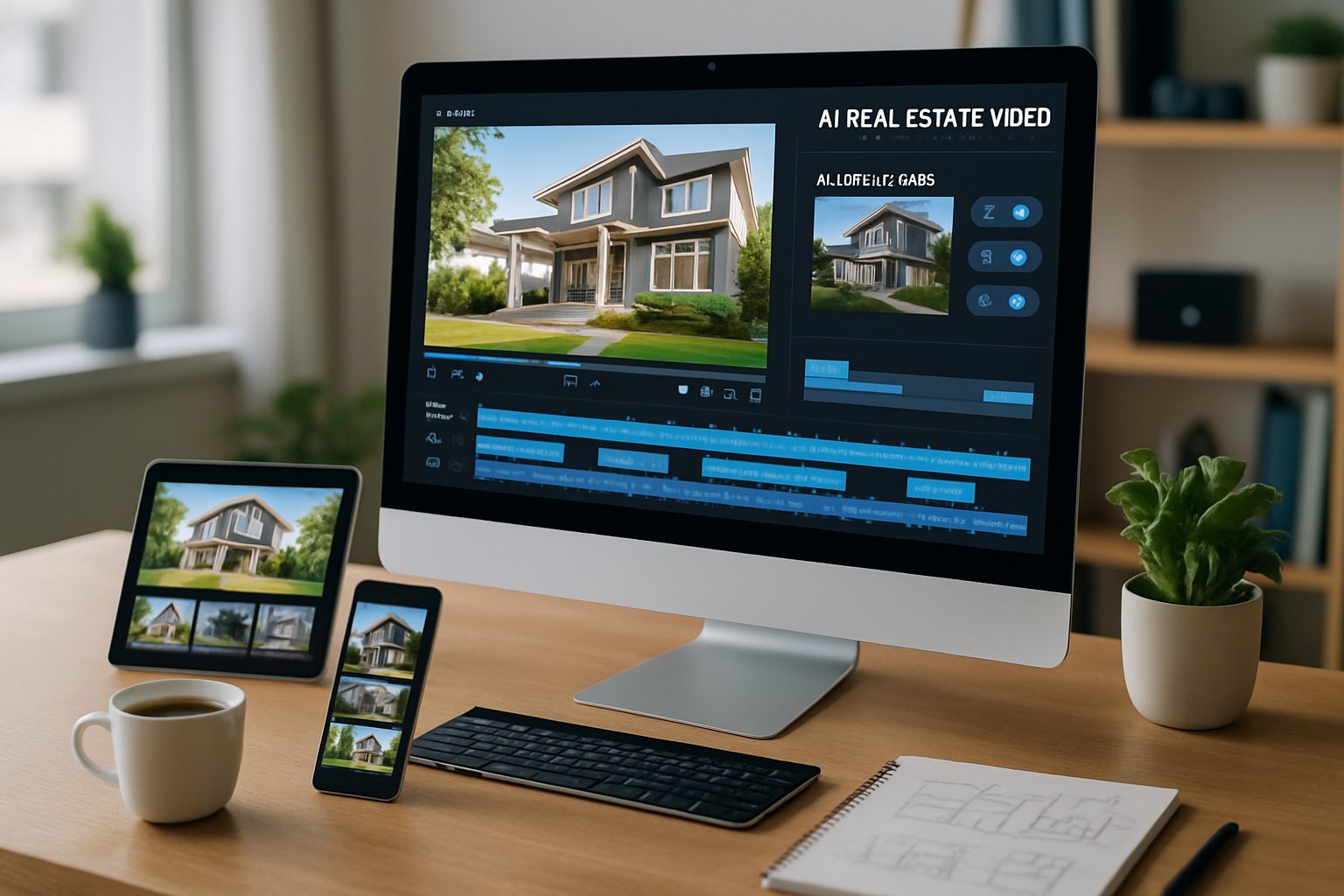
AI-generated property videos require customization to align with your brand identity and marketing goals. Platform-specific formatting, branded elements, and multimedia enhancements transform basic automated outputs into professional marketing assets.
Branding and Style Adjustments
Your real estate video creation needs consistent branding to build recognition across all listings. Most AI platforms let you add custom logos, color schemes, and font selections that match your agency’s visual identity.
You can typically adjust the pacing and transition styles to fit your preferred aesthetic. Some agents prefer quick cuts for urban properties while others choose slower fades for luxury estates. Template customization ensures every video maintains your signature look.
AI real estate video generators often include options to create custom avatars or branded intro sequences. These elements help viewers instantly recognize your listings across different properties and platforms.
Adding Animations, Music, and Voiceovers
Music selection significantly impacts how viewers perceive a property. You can choose from royalty-free libraries organized by mood, tempo, and property type to match the listing’s character.
Animated text overlays highlight key features like square footage, bedroom counts, and recent renovations. These callouts draw attention to selling points without requiring voiceover narration. AI video tools for real estate automatically sync captions and property details to specific images.
Voiceover options range from AI-generated voices to uploaded custom recordings. Professional narration adds a personal touch while explaining unique property features that photos alone cannot convey.
Optimizing for Different Platforms
Each social platform requires specific video dimensions and durations for optimal performance. Instagram Reels need vertical 9:16 format videos under 90 seconds, while YouTube prefers horizontal 16:9 content.
Automated video formatting tools generate multiple versions simultaneously for MLS listings, Instagram, Facebook, and YouTube. This eliminates manual resizing and reformatting for real estate marketing campaigns.
Platform-specific optimizations include adding captions for silent autoplay on Facebook and Instagram feeds. You should also adjust thumbnail images and opening frames to maximize click-through rates on each platform’s unique interface.
Best AI Video Generators for Real Estate
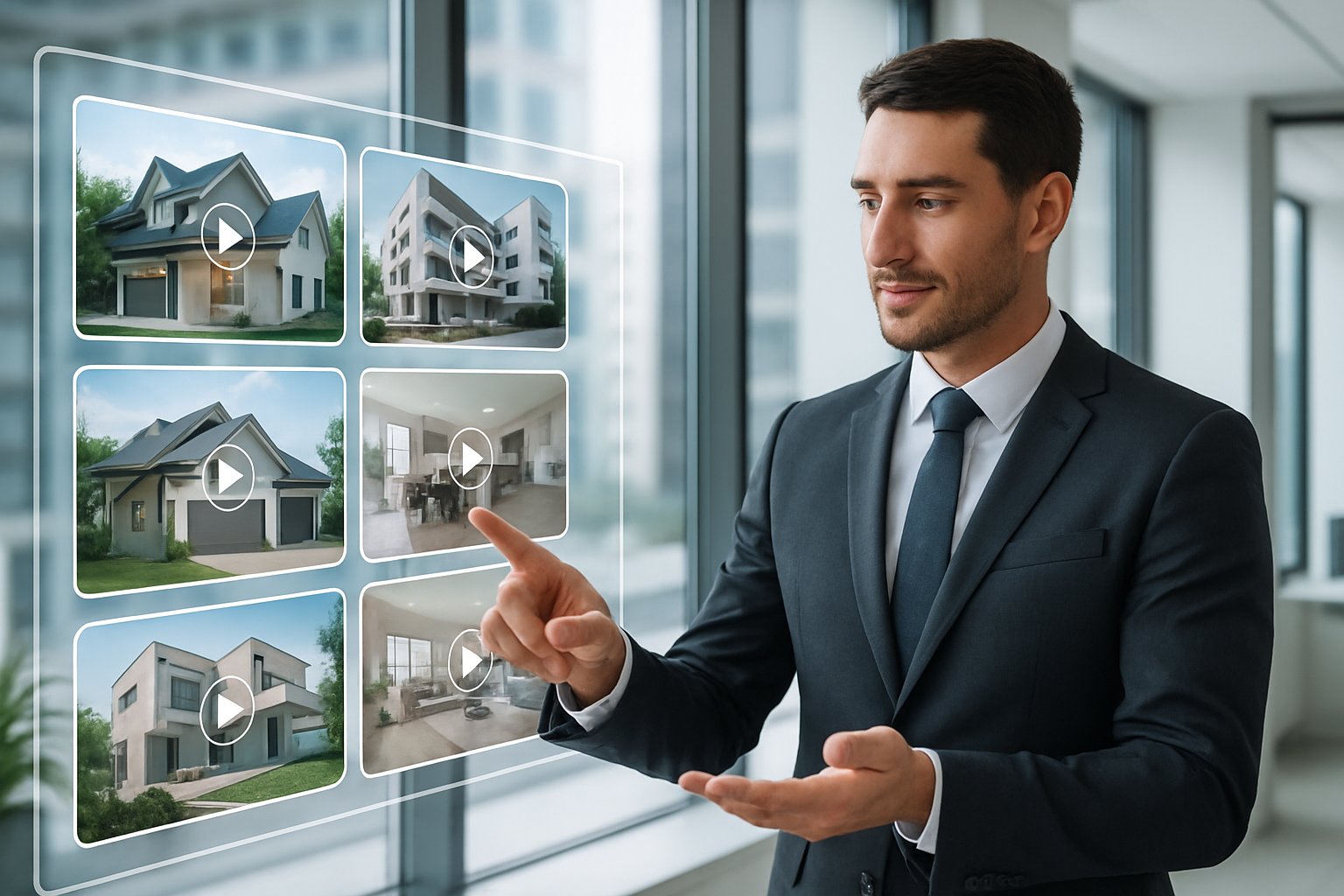
Several platforms now offer specialized tools for creating property listing videos, each with distinct capabilities for transforming photos and footage into polished marketing content. Understanding which features matter most helps you select the right platform for your specific needs.
Top Tools for Property Video Creation
Reel-E specializes in converting property photos into cinematic tours with background music in approximately five minutes. The platform focuses specifically on real estate marketing, making it suitable for agents who need quick turnaround times for MLS listings and social media posts.
Fliki provides AI-powered property video creation designed to boost listing visibility. You can generate videos quickly using the platform’s real estate-focused templates and automated editing features.
Luma AI generates cinematic property videos with lifelike visuals aimed at increasing engagement and accelerating sales cycles. The platform emphasizes visual quality in its output.
FlexClip allows you to create 100 unique property videos in one hour using text prompts. The deep learning system analyzes your input and selects relevant visuals automatically.
Key Features to Look For
Your chosen ai video generators should handle multiple input types including photos, existing footage, and text descriptions. Tools that support various input formats give you flexibility in how you produce content.
Automatic audio syncing and voiceover generation save significant editing time. The best platforms integrate background music that matches scene transitions without manual adjustment.
Mobile-friendly output formats are essential since many buyers browse listings on smartphones. Vertical video optimization for Instagram, Facebook, and TikTok extends your marketing reach beyond traditional channels.
Template libraries specific to real estate help maintain consistent branding across your listings. Look for platforms offering customizable layouts for different property types.
Comparing Popular Platforms
Speed varies considerably between platforms. Some tools generate videos in under two minutes, while others require five to ten minutes depending on complexity and customization level.
Pricing models range from free tiers with watermarks to subscription plans starting around $20-50 monthly. AI-powered avatar tools like Synthesia and HeyGen focus on explainer videos rather than property tours, making them better suited for market updates than listing showcases.
Output quality depends on the platform’s rendering capabilities. Some generators produce basic slideshow-style videos, while others create smooth camera movements and professional transitions that mimic traditional videography.
Most platforms offer trial periods allowing you to test functionality before committing to paid plans. Testing multiple options helps you identify which interface and features align with your workflow requirements.
Creating a Compelling AI Real Estate Video: Step-by-Step
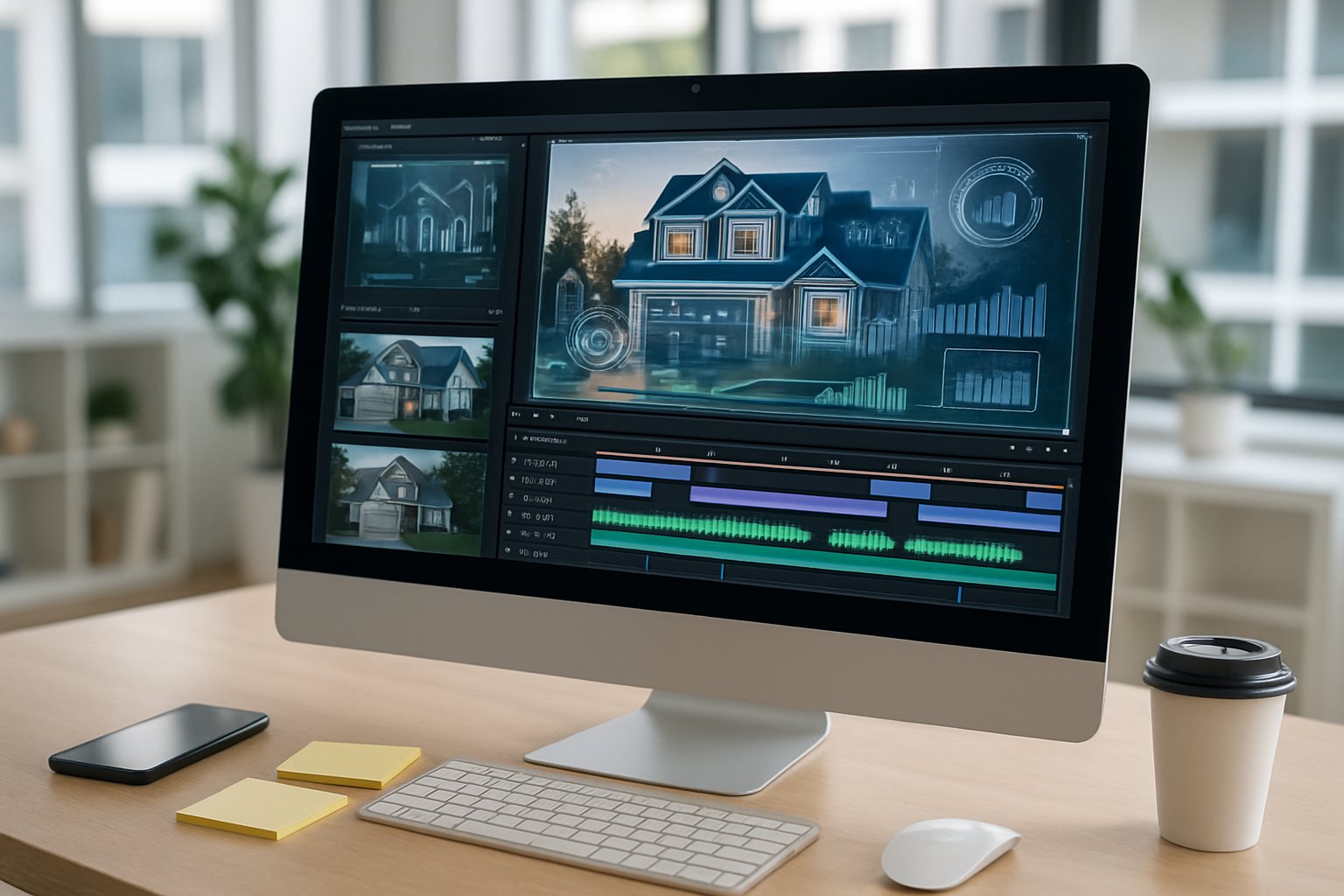
Professional real estate video creation requires selecting quality property images, choosing appropriate visual styles and movements, and optimizing your final output for different platforms. Each phase demands specific technical decisions that directly impact viewer engagement and inquiry rates.
Preparing Your Content and Assets
Start by gathering 5-7 high-quality property photos that showcase distinct features of the listing. You need images with good lighting, proper composition, and minimal clutter to ensure AI processing delivers smooth results.
Organize your photos in a logical sequence that mimics a natural property walkthrough. Begin with exterior shots or entryway images, then move through living spaces, kitchens, bedrooms, and end with standout features like pools or views. This sequencing helps potential buyers mentally navigate the space.
Review each image for technical quality before uploading to your AI platform. Remove photos with blur, poor exposure, or distracting elements. The AI tools work best with clean, well-lit source material that clearly displays the property’s selling points.
Create a brief list of key property details you want to highlight, including square footage, bedroom count, special features, and price. You’ll integrate these as text overlays during the production process.
Selecting Video Types and Styles
Choose camera movements that match your property type and target audience. Luxury properties benefit from elegant, sweeping motions while family homes work better with warmer, more inviting transitions.
Apply dynamic lighting adjustments and smooth transition effects between images to create cohesive visual flow. Most AI platforms offer preset styles ranging from cinematic to modern minimalist.
Select background music that reinforces your property’s appeal:
- Luxury listings: Sophisticated orchestral or piano compositions
- Modern homes: Upbeat electronic or contemporary tracks
- Family properties: Warm acoustic arrangements
Add text overlays strategically to highlight critical information without overwhelming the visuals. Include agent branding and clear calls-to-action at the video’s conclusion to convert viewers into prospects.
Editing, Exporting, and Sharing
Export your property videos in multiple aspect ratios to maximize reach across platforms. Use 16:9 for YouTube and websites, 1:1 for Instagram feeds, and 9:16 for Instagram and TikTok Stories.
Test different thumbnail options before finalizing your upload strategy. Thumbnails showing the property’s most attractive feature typically generate higher click-through rates than generic exterior shots.
Upload videos natively to each social platform rather than sharing links from other sites. Native uploads receive preferential treatment in platform algorithms, resulting in broader organic reach.
Track engagement metrics including view duration, inquiry rates, and showing requests. Compare performance across different video styles to refine your approach for future listings.
Integrating AI Videos Into Real Estate Marketing Strategies

AI-generated videos work across multiple marketing channels to maximize property exposure and engagement. Real estate professionals can deploy these videos through social media platforms, virtual showing environments, and email campaigns to reach potential buyers wherever they spend their time online.
Social Media Campaigns
Social media platforms prioritize video content in their algorithms, making AI-generated property videos essential for real estate marketing visibility. You can create platform-specific content by reformatting a single AI video into multiple versions optimized for Instagram Reels, Facebook, TikTok, and YouTube Shorts.
AI tools like Canva allow you to generate branded video content in minutes, freeing up time to focus on client relationships. Add text overlays highlighting key property features like square footage, price, or unique amenities to capture attention as users scroll. Include location-specific hashtags and tag neighborhood pages to increase discoverability among local buyers.
Post consistently across platforms using a content calendar that mixes property tours, neighborhood highlights, and market updates. Track engagement metrics like views, shares, and comments to identify which video styles resonate most with your audience.
Virtual Open Houses and Remote Showings
AI video technology enables you to host comprehensive virtual property tours that replicate in-person viewing experiences. These videos give out-of-town buyers and busy professionals the ability to explore properties on their own schedule without coordinating multiple showing appointments.
Create immersive walkthroughs that include voiceover narration pointing out architectural details, recent upgrades, and spatial flow between rooms. Add interactive elements like clickable hotspots that provide additional information about appliances, materials, or nearby amenities.
Schedule live virtual open houses where you present the AI-generated tour and answer questions in real time through video conferencing platforms. This approach combines the convenience of recorded content with the personal connection of live interaction. Save the recorded sessions and add them to your real estate listings for ongoing accessibility.
Email and Listing Portal Integration
Embedding AI videos in email campaigns significantly increases click-through rates compared to static images alone. Place a compelling thumbnail image linked to your property video in the email body, positioned above the fold where recipients see it immediately upon opening.
Personalize video content for different buyer segments by creating variations that emphasize features most relevant to each group. First-time buyers might appreciate videos highlighting low maintenance features, while investors need content focused on rental potential and ROI projections.
Upload AI-generated videos directly to major listing portals like Zillow, Realtor.com, and your MLS platform. Properties with video receive more inquiries and spend less time on the market. Ensure your videos meet each platform’s technical specifications for file size, format, and length to guarantee smooth playback across all devices.
Trends and Innovations in AI Real Estate Video Technology

AI technology is transforming property marketing through photorealistic simulations, personalized buyer experiences, and automated video production that reduces costs while increasing engagement. The real estate industry stands to gain $34 billion in efficiency over the next five years from AI automation.
Photorealistic Simulation and 3D Tours
AI now generates dynamic video walkthroughs that go beyond static 360-degree tours. You can use AI-powered video content to create virtual tours with fluid transitions between rooms, simulated lighting changes throughout the day, and virtual staging that populates empty spaces with furniture.
The technology allows you to apply different design themes to the same property instantly. You can show a kitchen in modern, traditional, or industrial styles without physical staging costs.
AI video generators also render weather and time-of-day scenarios dynamically. Your clients can view a beachfront property at sunset or a mountain home during snowfall. Some platforms merge drone footage with street views to create comprehensive neighborhood tours that extend beyond the property itself.
These simulations include voice-activated navigation, letting buyers ask questions about square footage or features during the virtual tour. The result is an immersive experience that helps buyers visualize properties more effectively than traditional photos.
AI Personalization and Client Customization
Machine learning algorithms analyze buyer behavior to customize property tours for different audiences. When you create video content, AI can highlight features relevant to specific buyer types—showing play areas for families or ROI projections for investors.
AI video generators automate scripting by analyzing property details and creating narrated videos with background music and captions. You can produce multilingual versions dubbed into 20+ languages to reach international buyers.
The technology includes A/B testing capabilities that compare different video styles. You can test cinematic versus fast-paced presentations to determine which format generates more engagement with your target demographic.
Listings with AI-enhanced videos receive three times more engagement than traditional media. You can reduce production costs by 90% compared to traditional video production while maintaining professional quality.
Predictions for the Future of Property Marketing
Video tours will increasingly incorporate augmented reality overlays that display property information in real-time as viewers navigate through spaces. You’ll be able to show renovation possibilities or furniture placement directly within the video interface.
AI will enable real-time video generation based on buyer preferences entered before viewing. Your clients will see properties pre-customized to their stated needs, with relevant features automatically emphasized.
Blockchain integration will verify AI-generated content authenticity, addressing concerns about manipulated property representations. You’ll need to maintain transparency through watermarks and disclaimers on AI-generated elements.
The distinction between virtual and physical property viewings will continue to blur as haptic feedback and spatial audio enhance digital experiences. Your marketing strategy will need to balance technological capabilities with ethical considerations around data privacy and accurate property representation.
Challenges and Considerations for Real Estate Professionals

AI-generated real estate videos introduce technical and legal complexities that require careful management. Quality assurance and regulatory compliance remain primary concerns as automation scales content production.
Quality Control and Authenticity
You need systematic verification processes to catch AI-generated errors before videos reach potential buyers. Common issues include distorted architectural features, inconsistent lighting between scenes, and unnatural object placement that undermines credibility.
Establishing a review checklist helps maintain standards. You should verify that room dimensions appear accurate, furniture placement looks realistic, and transitions between scenes flow naturally. AI tools sometimes generate physically impossible spaces or merge elements from different properties incorrectly.
Transparency matters when using AI enhancement. You must disclose when videos show AI-staged furniture or digitally enhanced features rather than actual property conditions. Misrepresentation can lead to buyer dissatisfaction and potential legal disputes.
Testing videos with colleagues before publication catches subtle problems you might overlook. You should compare AI output against original property photos to ensure the video accurately represents the space rather than creating unrealistic expectations.
Privacy, Copyright, and Ethical Issues
You face significant ethical questions and challenges when deploying AI video tools. Recording interiors may capture personal items, family photos, or identifying information that requires owner consent and careful editing.
Copyright concerns arise when AI models train on copyrighted architectural designs, branded fixtures, or proprietary staging concepts. You should verify that your AI platform has proper licensing agreements and doesn’t inadvertently replicate protected designs.
Data handling requires attention as AI systems process property addresses, owner information, and visual data. You must comply with privacy regulations and secure client information throughout the video creation process.
Bias in AI algorithms can perpetuate discriminatory housing practices. You should monitor whether AI staging tools consistently favor certain demographic presentations or exclude accessible design features that appeal to diverse buyer groups.