
Home Staging Video Tips: Boost Your Home’s Selling Power
Video walkthroughs now serve as a critical marketing tool for selling homes, making effective staging a strategic priority. Potential buyers form immediate impressions from what they see on screen. Staging specifically for video can differentiate your property in a competitive market and attract buyers ready to act.
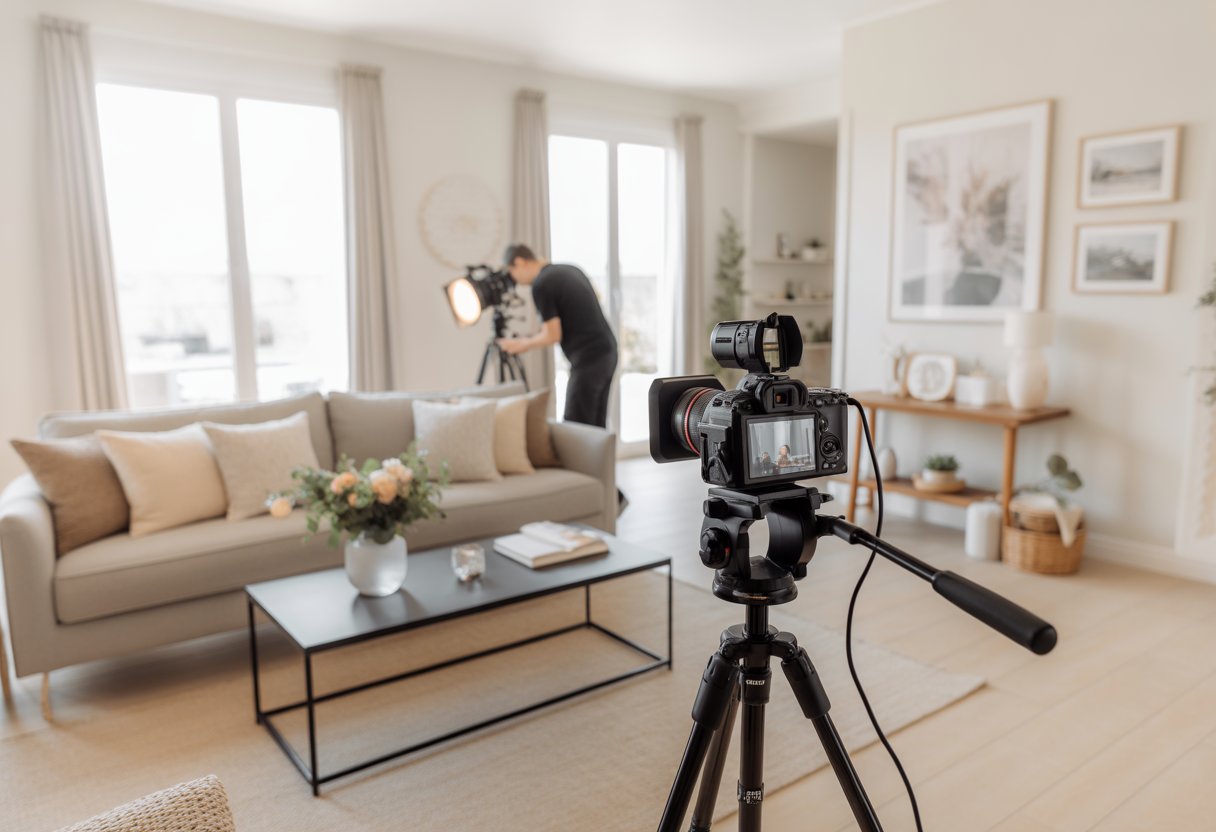
Professional staging video tutorials offer actionable guidance for arranging furniture, optimizing lighting, and designing spaces that look appealing on camera. Video captures movement and flow, enhancing standard real estate photography, so staging must address how rooms connect and how viewers experience the space virtually.
Staging for video highlights a property’s strengths and minimizes distractions that could deter buyers. Selecting appropriate colors and addressing awkward layouts ensures each room appeals visually and emotionally. These approaches help generate buyer interest and encourage in-person showings.
Key Takeaways
- Video staging uses techniques tailored to capture movement and flow, distinct from traditional photo staging
- Professional staging videos provide practical methods for space arrangement, color psychology, and lighting management on camera
- Applying targeted video staging strategies room by room creates inviting spaces that drive buyer engagement and accelerate sales
Essential Home Staging Video Tips
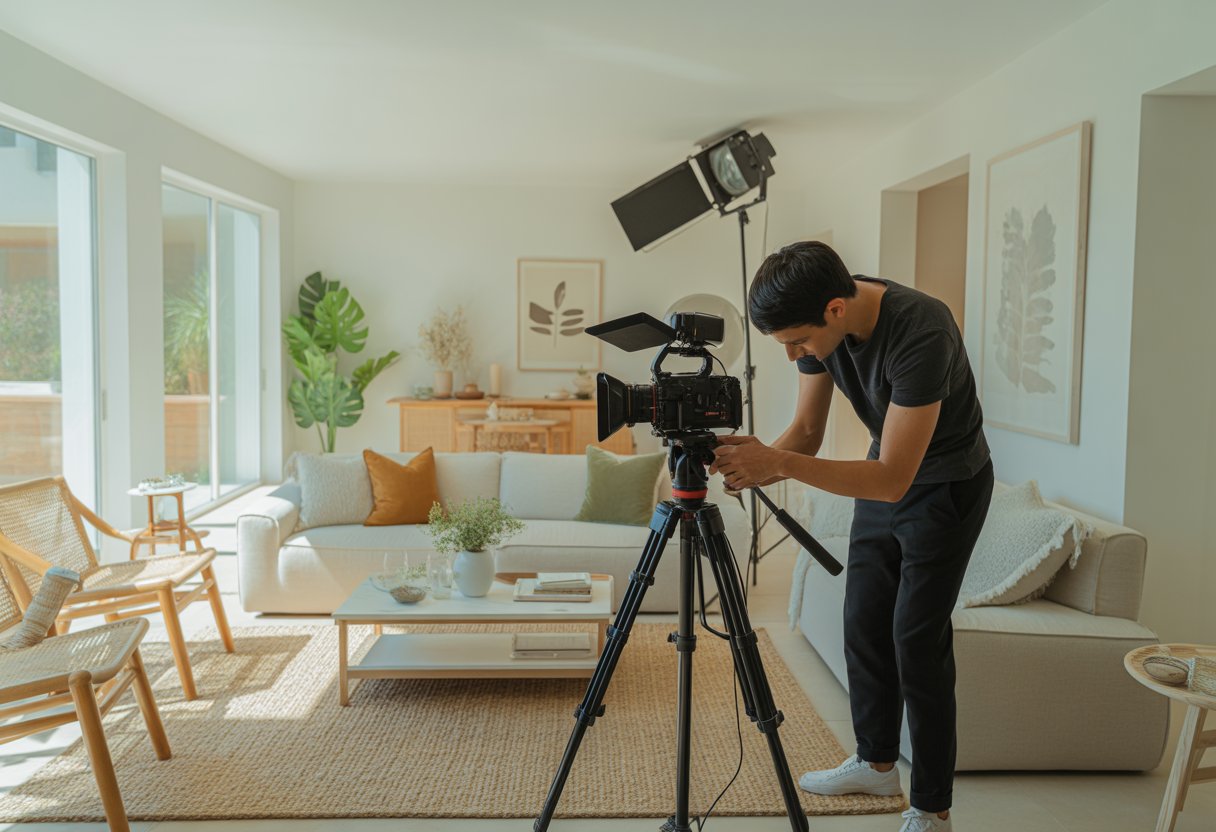
Effective home staging videos require attention to camera setup, cleanliness, and lighting. These elements work together to ensure your staged spaces present well on screen and capture buyer interest.
Setting the Stage for the Camera
Your camera setup shapes how viewers perceive staged spaces. Position the camera at eye level—about five to five and a half feet from the floor—to create a natural perspective.
Use a tripod for stable, consistent framing. Wide-angle shots showcase entire rooms, while close-ups highlight staging details such as accessories or furniture arrangements.
Choose shooting angles that reveal room depth and flow, such as corners, or emphasize symmetry and features with straight-on shots. Plan your camera path before filming to ensure smooth transitions and showcase the property’s best attributes.
Decluttering and Deep Cleaning On Screen
Deep cleaning and decluttering make spaces appear larger and more appealing on video. Remove personal items, excess furniture, and anything that distracts from the home’s architecture. Cameras amplify clutter and imperfections.
Focus on reflective surfaces—windows, mirrors, countertops, and floors. Clean these areas immediately before filming to avoid visible dust or smudges.
Create clear pathways and open sightlines to guide viewers naturally through each space. Before-and-after staging footage should demonstrate a noticeable transformation. Remove at least one-third of visible items to achieve a clean, spacious look that resonates with buyers.
Maximizing Natural Light in Your Videos
Natural light enhances footage by making spaces feel larger and more inviting. Film during mid-morning or early afternoon for optimal sunlight. Open all curtains, blinds, and shades to maximize daylight.
Turn on all interior lights during filming to eliminate shadows and dark corners. Avoid filming during golden hour, as warm tones can distort color accuracy.
Position yourself to avoid backlighting from windows, which causes silhouettes. Instead, use side or front window light to illuminate the room. If natural light is limited, supplement with bright LED lights placed to mimic daylight and maintain a consistent look throughout the video.
Staging Key Rooms for Video Walkthroughs
Strategically preparing high-impact spaces for video walkthroughs directly influences buyer perception. Each room requires targeted attention to lighting, decluttering, and arrangement to ensure it translates well on camera.
Living Room and Curb Appeal Focus
The living room often serves as the emotional focal point in video content. Remove at least half the furniture to open up pathways for smooth camera movement. Position key pieces to define conversation areas without blocking natural light.
Clear all surfaces except for one or two decorative items per table. Arrange throw pillows in odd numbers and coordinate patterns. Add task lighting in corners to eliminate shadows that appear more pronounced on video.
Curb appeal frames the first impression. Power wash the walkway, front door, and siding at least 48 hours before filming. Place symmetrical planters with fresh flowers at the entrance. Painting the front door a bold, camera-friendly color—such as navy or deep red—adds visual interest.
Keep the lawn freshly mowed and remove any visible hoses, tools, or seasonal decorations to maintain a polished look.
Kitchen and Dining Room Presentation
Kitchens often drive buyer decisions. Clear countertops except for a coffee maker or a single decorative bowl with fresh fruit. Blank surfaces help buyers envision their own items in the space.
Essential Kitchen Staging Steps:
- Remove refrigerator magnets and personal photos
- Use neutral, matching dish towels
- Store small appliances out of sight
- Clean inside the oven and microwave, as cameras may capture reflections
- Stage the sink with a small plant or folded towel
Polish stainless steel appliances and hardware before filming. Turn on under-cabinet lighting to enhance warmth. Set the dining table with simple place settings for four to six people, using neutral dinnerware and a low centerpiece that does not obstruct the camera view.
Consider adding a bowl of lemons or a small herb garden to suggest freshness. Keep window treatments open to maximize natural light.
Master Bedroom Staging Essentials
Staging the master bedroom as a hotel-like retreat appeals to buyers seeking comfort. Use crisp white or neutral bedding with a neatly pressed duvet. Layer four to six pillows, placing euro shams in back and standard pillows in front.
Remove personal photos, medications, and items from nightstands. Style each nightstand identically with a simple lamp and one small decorative object. Organize the closet with matching hangers and keep it no more than half full to suggest ample storage.
Choose camera angles that capture the full bed and at least two walls. Position the bed as the focal point and ensure it is perfectly made. Add a folded throw blanket at the foot of the bed for added visual appeal.
Turn on all lamps to create warm ambient lighting. Remove exercise equipment, laundry baskets, and items that indicate the room serves multiple functions.
Bathroom Staging Strategies
Prioritize cleanliness and spa-like simplicity when staging a bathroom. Remove all personal care products from counters and store them out of sight. Use a crisp white or neutral shower curtain and keep it fully closed during filming.
Critical Bathroom Elements:
| Area | Action Required |
|---|---|
| Counter | Clear completely; add one soap dispenser only |
| Toilet | Close lid; maintain a spotless interior and exterior |
| Mirrors | Clean thoroughly; remove all streaks and spots |
| Towels | Use matching white or neutral sets |
| Floors | Remove all bath mats and scale |
Updated bathrooms drive higher sale prices, according to National Association of Realtors data. Place rolled white towels in a basket or on a shelf to create a luxury hotel impression. Use a full roll of toilet paper and position it correctly.
Inspect for mold, mildew, or caulking issues that the camera can highlight. Add a small plant or candle as the sole decorative element. Turn on all light fixtures and use bulbs with consistent color temperature throughout the space.